Author: indietimescoverage

The Journey of Joy:  Happy Miles Ensures Every Mile with a Smile

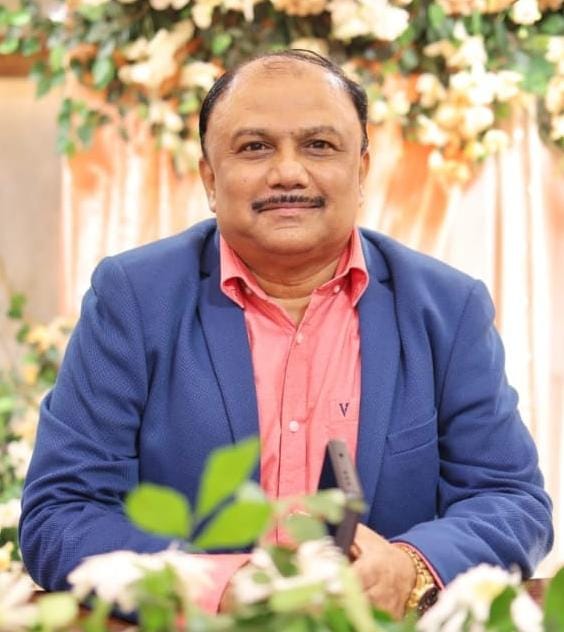
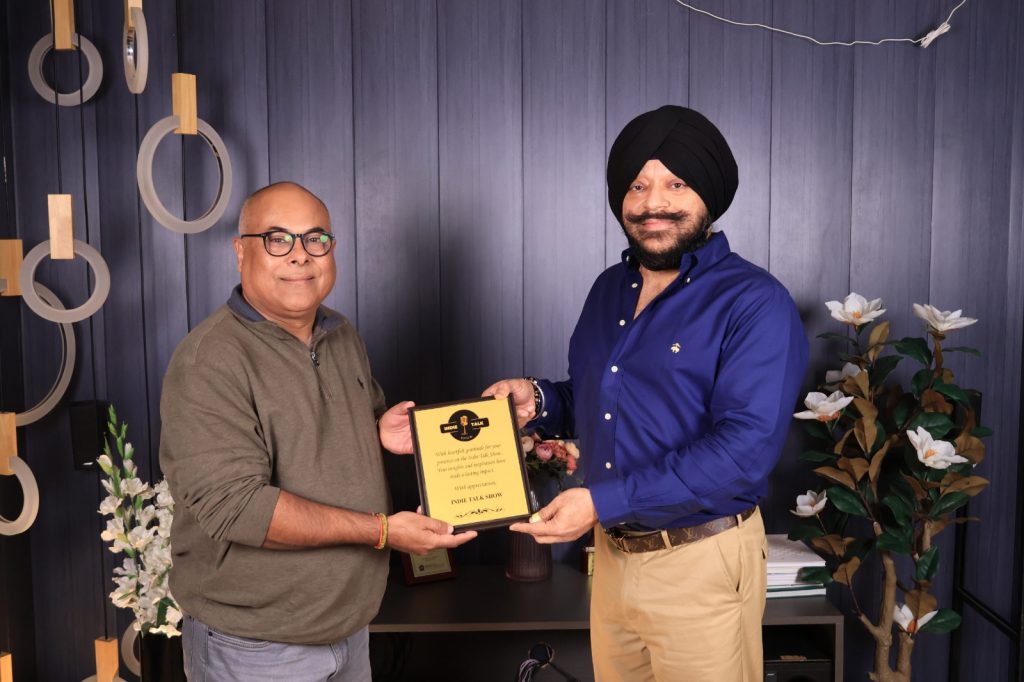
In an engaging episode of  the Indie Talk Show, host Charanpreet Singh Bagga sits down with Suresh Danani, Founder & CEO of Happy Miles, for a conversation that blends entrepreneurship with purpose-driven travel. Known for bringing innovation into the travel space, Danani shares how Happy Miles was born out of a simple idea, to make travel more rewarding, accessible, and meaningful. Right from the start, Danani emphasizes that travel isn’t just about destinations, but experiences. He explains how Happy Miles focuses on creating value for customers by helping them maximize rewards, loyalty programs, and smart travel planning. “People often underestimate the power of points and miles,” he notes, highlighting how strategic spending can unlock premium experiences at a fraction of the cost.  As Bagga steers the conversation towards entrepreneurship,  Danani  reflects on the challenges of building a niche business in a competitive market. From educating consumers to building trust,  he shares, “the journey hasn’t been easy, but persistence and clarity of vision have been key to the success of Happy Miles.” Another important point that Danani draws attention to is the significance  of financial awareness in travel. Danani stresses that informed decisions,  whether through credit systems, offers, or partnerships, can substantially  enhance one’s lifestyle without unnecessary expenses. On an inspiring note, Danani encourages aspiring entrepreneurs to focus on solving real problems rather than chasing trends which he feels will earn trust and loyalty of customers. He shares that in recent years, the concept of holidays and travel in India has evolved from mere sightseeing to a state-of-the-art experience that blends comfort, technology, and personalization. “Today modern travelers seek more than just destinations, they crave curated experiences, seamless logistics, and immersive cultural engagement,” he explains. The necessity of advanced travel apps, smart booking platforms, and integrated payment solutions make planning effortless, while high-speed trains, upgraded airports, and modern highways ensure smooth connectivity across the country add to their experience, adds Danani. Suresh Danani’s Happy Miles is a heartwarming concept that celebrates the joy of mindful travel and meaningful living. Rooted in the idea that every journey, whether across countries or within oneself, adds value to life, Happy Miles encourages people to collect experiences rather than just distances. Through simple reflections, inspiring narratives, and a focus on gratitude, it reminds us that happiness is not a destination but something we accumulate along the way. By blending travel with personal growth, Suresh Danani’s vision inspires individuals to pause, appreciate the present, and create memories that truly enrich the soul. A unique concept that is catching on with travellers that practice mindfulness as well. The podcast captured that and much more as overall, the conversation was a refreshing reminder that with the right mindset, even everyday spending can be transformed into extraordinary experiences. Something that Danani has certainly proved to be true through his innovative venture-Happy Miles!
Read more


Visionary Leadership: Uttar Pradesh’s Strategic Defence Corridor

The Uttar Pradesh Defence Industrial Corridor (UPDIC) is one of India’s most ambitious infrastructure projects, spearheaded by Chief Minister Yogi Adityanath’s government. Designed to reduce foreign dependency, it aims to transform the state into a global hub for aerospace and defence manufacturing. As of March 2026, several high-profile units are already operational, moving the corridor well beyond its planning phase. The Defence Corridor represents a transformative step toward strengthening India’s self-reliance in military production while accelerating regional economic growth. The initiative links key cities including Lucknow, Kanpur, Jhansi, Agra, Aligarh, and Chitrakoot, forming a network to support defence manufacturing and innovation. The project has attracted over ₹35,500 crore (approx. $4.2 billion) in investment proposals, with more than ₹25,000 crore already realized. Nine industrial units are fully operational, and another 15 are expected to begin production during the 2026–27 financial year. The Yogi government projects nearly 2 lakh jobs by the end of 2026, ranging from high-tech R&D roles to factory floor operations. Innovation hubs like IIT Kanpur and IIT BHU have been integrated as centres of excellence, bridging academic research and battlefield technology. Over 1,700 hectares of land have been procured, with 177 MoUs signed. At its core, the corridor promotes indigenous defence production, offering public and private sector companies the platform to manufacture equipment from small arms to advanced aerospace systems. This aligns with the national vision of boosting domestic capabilities and technological advancement. The ecosystem not only strengthens the defence sector but also stimulates local economies, particularly in less industrialized regions like Bundelkhand. Infrastructure upgrades—including highways, rail networks, and logistics hubs, ensure smooth movement of goods, while land banks and policy incentives attract further investment. The BrahMos missile unit in Lucknow is progressing rapidly, expected to deliver its first “Made in UP” missiles to the Indian Armed Forces and export partners sooner than planned. The Uttar Pradesh Defence Corridor is more than an industrial project; it is a strategic initiative merging national security and economic development. If fully realized, it could position Uttar Pradesh as a key hub in India’s defence manufacturing landscape while significantly advancing the country’s self-reliance goals.
Read more

Summer Sole Story: Where Style Meets Breathability

Summer, skin, and sun go hand in hand, making smart style choices a must.Indie Times Style Check rounds up breezy, breathable footwear to keep you cool and comfortable all season long. As temperatures begin to climb, young adults are instinctively leaning towards one thing: comfort with ventilation. From breezy outfits to easy footwear, the focus is on staying cool without compromising on style. And when it comes to shoes, this season is all about letting your feet breathe. Lightweight designs are leading the way, with materials like mesh, canvas, and perforated leather dominating summer collections. They don’t just look good, they work hard too, allowing airflow, reducing sweat build-up, and helping avoid discomfort or unwanted odour during long, hot days. So this summer comfort is no longer optional, it’s essential. Cushioned soles, flexible outsoles, and proper arch support are becoming key features, especially for those constantly on the move. Whether it’s a day out in the city or a casual evening stroll, the right pair can make all the difference. On the style front, minimalism continues to reign. Soft pastels, whites, tans, and nude tones are everywhere, effortless, clean, and easy to pair. From flip-flops and floaters to ballerinas, mules, and sneakers, these understated shades are shaping everyday fashion. Open silhouettes are the real heroes of the season. Slides, sandals, and easy slip-ons are not just practical, they’re stylish staples. Even chunky sandals, once seen as purely functional, have stepped into the spotlight as bold statement pieces. But summer nights tell a different story. As the sun sets, the palette gets louder. Bold reds, teals, turquoises, and even hints of neon and sequins take over, especially in pumps, stilettos, and dressy flats, perfect for adding that extra edge to evening looks. Sneakers, meanwhile, continue their year-round dominance. Paired with flowy floral dresses, linen fits, or relaxed denim, they strike the perfect balance between casual and chic. They’re reliable, versatile, and effortlessly cool. Because at the end of the day, summer footwear is about more than just trends, it’s about feeling light, staying comfortable, and stepping out with ease, no matter how high the temperature rises. So go ahead and flaunt your feet this summer.
Read more

MATCH NIGHT MAGIC: IPL SCREENINGS TURN LUCKNOW CAFÉS INTO MINI STADIUMS

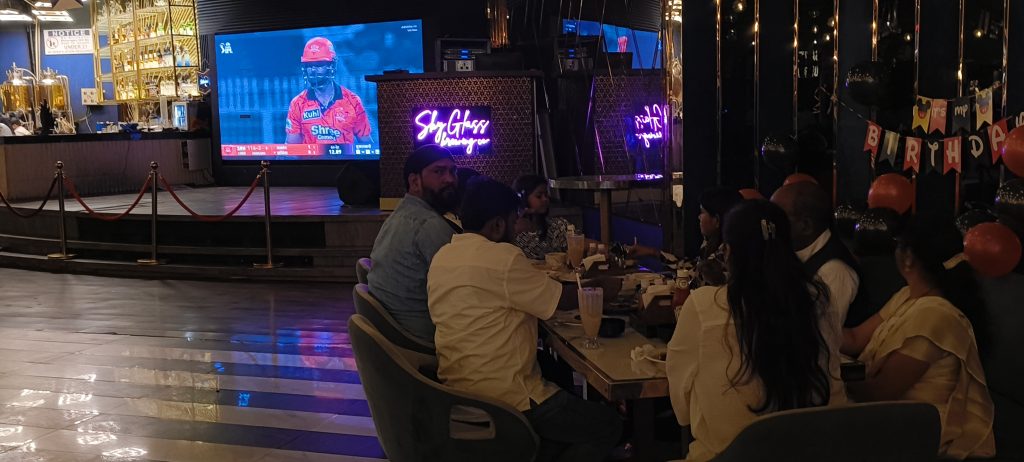
From big screens to shared cheers, April 1 turned cafés and lounges into the city’s liveliest match arenas. In Lucknow, IPL nights are no longer watched, they’re celebrated together.April 1 wasn’t just another match day in Lucknow, it was a city-wide watch party. As the Indian Premier League lit up screens, cafés, lounges, and bars across the city transformed into buzzing hubs where cricket met conversation, food, and community. From early evening, tables began filling up, teal jerseys made their way out of wardrobes, and the familiar hum of anticipation took over. Inside, the vibe was electric. Large LED screens and projectors recreated a stadium-like atmosphere, complete with live commentary, cheers, and collective gasps at every near miss. Every boundary brought strangers together, every wicket drew groans loud enough to echo across the room. For a few hours, these spaces stopped being just cafés, they became shared living rooms for cricket lovers.  At Sky Glass Brewing Co., the energy peaked early. Groups huddled around tables, drinks in hand, eyes glued to the screen. The menu played its part, kebab platters, fusion bites, and hearty mains kept the tables busy as the match intensified. “You come for the match, but you stay for the vibe,” said one regular, barely looking away from the screen. Across the city, similar scenes played out. IPL-themed menus took overloaded platters, pizzas, and quick bites paired with chilled beverages became the go-to match companions. Combo deals and group offers made it easier for friends to settle in for long innings, turning match night into a full-fledged outing rather than a quick catch-up. Up above, rooftops added their own charm. At Meraki – Bar and Bistro, the open-air setting brought a different kind of thrill. With the city lights in the background and the match unfolding on big screens, every cheer felt louder, every moment more cinematic. Mocktails clinked, starters circulated, and conversations flowed as effortlessly as the game itself. But what truly stood out was the people. Fans in team jerseys, voices hoarse from cheering, celebrating not just the game but the togetherness it brought. Friends, families, even strangers, coming together, sharing tables, reactions, and laughter. Because on nights like April 1, Lucknow didn’t just watch cricket, it experienced it. But disappointment was in order with home team Lucknow Super Giants, lost to Delhi Capitals, but the sting was lessened with bon homie shared during the collective watching of the match.
Read more

An Evening at Food Valley: A Glimpse of Lucknow’s Evolving Food Culture

In the heart of suburban Lucknow, Food Valley, in Gomtinagar is more than just a Food Hub. Indie Times explores this gourmet gully, and finds a living, breathing slice of modern Lucknow, a place where people don’t just come to eat, but to connect, unwind, and create memories together. An Evening in Gomti Nagar, Food Valley feels less like a dining space and more like a vibrant food fiesta. Strings of lights shimmered overhead, signboards glowed in every color, and the air carried the irresistible aroma of sizzling street food. It was the kind of place that instantly pulls you in, warm, vibrant, and full of life. As Indie Times wandered through the buzzing lanes, we struck up conversations with a few outlet owners to get a sense of how things were going. At one of the busiest counters, CHUNGFA, a staff member laughed as he described the rush: “Weekends get crazy, but in the best way. Sales have really picked up these past few months, and evenings are always packed.” Over at Crudo, another vendor shared a different perspective. For them, it’s not just about taste, it’s about how quickly and beautifully the food reaches the customer. “Weekdays are calmer,” he said, “but we still get a steady flow. People don’t come here just to eat they come for the whole experience.” And that sentiment echoed in the crowd. Groups of college students moved from stall to stall, plates in hand, clearly spoilt for choice. “You get everything here,” one of them said, grinning. “Indian, Chinese, Korean, and of course, proper Awadhi and Mughalai  food like Nausheen Jaan. Plus desserts from Neelkanth sweets. So why go anywhere else?” Families visiting the Food Valley, too, seemed completely at ease. Children ran around while parents relaxed in the open seating areas, soaking in the atmosphere. More than one visitor described it as their go-to hangout spot, a place where everyone finds something they love. But what stood out, especially for a place this crowded, was the attention to hygiene. Most stalls had clean counters, staff wearing gloves, and food handled with care. “For a place this busy, it’s surprisingly well-maintained,” one visitor noted appreciatively. But beyond the food and the cleanliness, it’s the feeling of the place that stays with you. Soft music hummed in the background, laughter floated through the air, and conversations overlapped in a comforting chaos. Different cuisines, different people, different stories, all coming together in one shared space. As the night deepened, the energy didn’t fade, it grew. Plates clinked, friends lingered over last bites, and families stretched their evenings just a little longer.  Go Ahead visit Food Valley Folks, it’s bound to surprise you!
Read more

Global Crisis of the Gulf War

Violence takes refuge in war. War is made up of Snakes and Ladders game where the one defeated is crushed with the might of the victorious.  United States Operation Epic Fury and Israel’s Operation Lions Roar jointly against Irans retaliatory Operation True Promise 4 has turned this war into a concern for entire Europe and crisis for Middle east with its tourism taking a backseat while the rest of the world watches uneasily fearing the flames may spread further.India too has felt the impact of market stability,oil & energy alongwith concern of its large numbers of Indians settled in the Gulf region.  President Donald Trump reasons  to eliminate  threats  from Iran to prevent them from having nuclear weapons and for  change of regime by eliminating its supreme leader Khamenei with his military brass  to the advantage of Netanyahu . Iran has fiercely retaliated by launching its missiles and drones on Israel and other Gulf countries having US military assets. Innocent civilians and children suffer from this mass destruction as death toll rises. One can bomb the world into pieces but it cannot be bombed into Peace. Acts done in war is a crime in peace yet it is said that war is necessary for peace but in this age of civilization, lasting peace can only be achieved through better understanding, diplomacy and enhanced negotiations.  Rajesh Rodricks 
Read more

Beyond the Stethoscope: Dr. Lokendra Gupta on Health, Habits, and the Power of Mindful Living

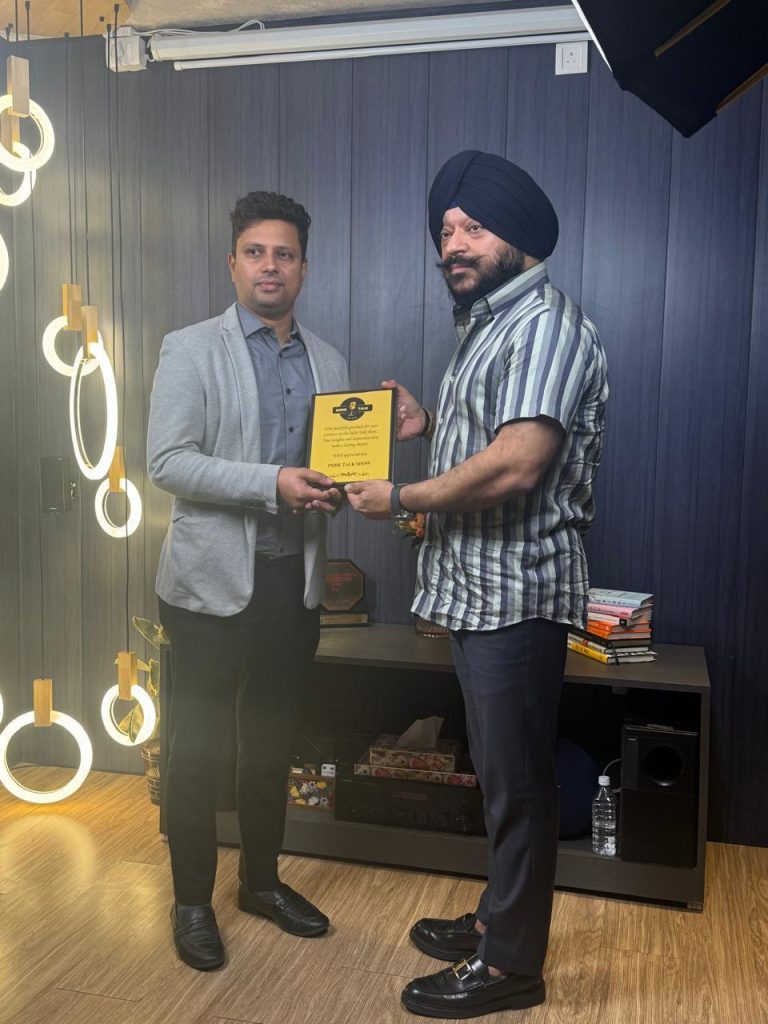
This week’s episode of Indie Talk Show brought listeners an insightful and deeply human conversation with Dr. Lokendra Gupta, a renowned specialist of Emergency Medicine and Trauma Care  at Medanta Lucknow. In a thoughtful exchange with host Charanpreet Singh Bagga, the discussion moved far beyond clinical definitions of health, diving into the intricate relationship between mindset, lifestyle, and overall well-being. Dr. Gupta offered a refreshing perspective: health, he explained, is not simply the absence of illness, but a delicate balance of physical strength, mental clarity, and emotional stability. In a world that moves faster every day, he emphasized how our daily choices quietly shape our long-term health. From mindful eating and regular exercise to the power of consistent routines, he highlighted how small habits often make the biggest difference. What made the conversation particularly engaging was Dr. Gupta’s focus on awareness. He pointed out how easily people overlook early warning signs, often brushing them aside in the rush of everyday life. Through relatable, real-life examples, he reminded listeners that paying attention to our bodies is not optional, it’s essential. Equally compelling was his take on mental and emotional well-being. Stress, he noted, doesn’t just stay in the mind, it finds its way into the body, often manifesting as physical ailments. His message was clear: true healing begins within. By practicing mindfulness, cultivating self-discipline, and taking a proactive approach to health, we can reclaim control over our well-being. As the conversation drew to a close, Dr. Gupta left listeners with a simple yet powerful thought, well-being is a choice we make every day. It doesn’t require dramatic changes, but rather small, consistent steps that, over time, lead to a healthier and more meaningful life.
Read more

Policing Beyond the Uniform

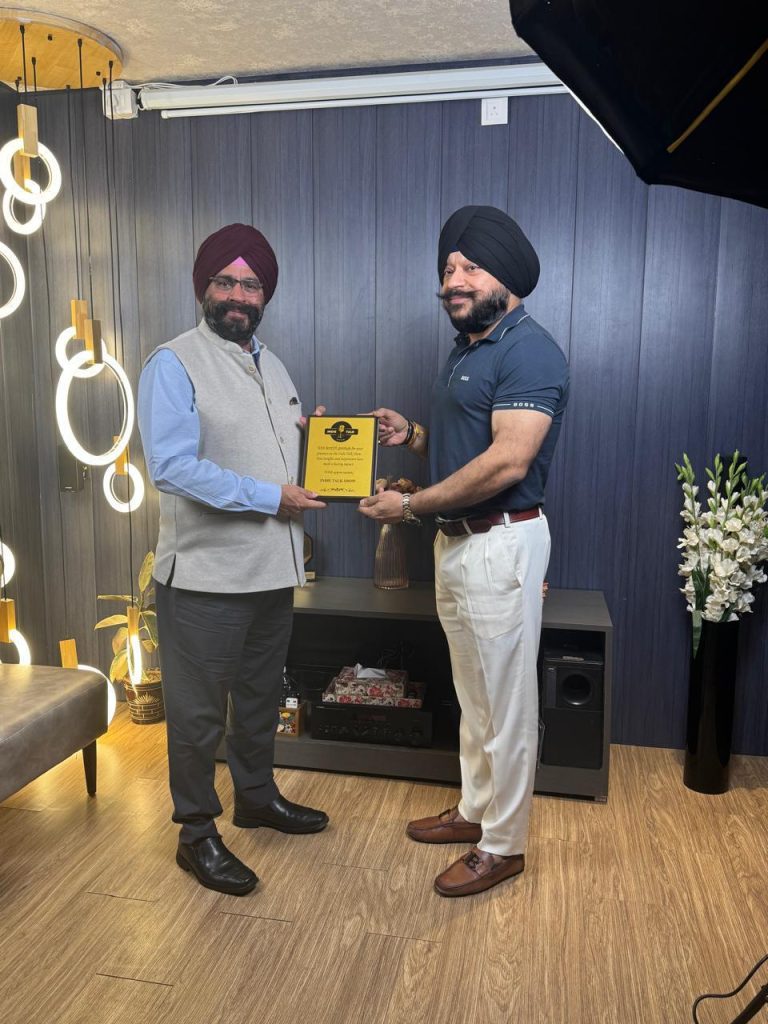
In a candid and deeply human angle episode of the Indie Talk Show, host Charanpreet Singh Bagga sits down with former Director General of Police of Uttar Pradesh, R.P. Singh, not just to talk about law enforcement, but about the people behind the badge. What emerges is not the story of a career defined by authority, but one shaped by responsibility, difficult choices, and an evolving understanding of what it truly means to serve. Reflecting on his journey, Singh speaks with a quiet honesty about how policing has changed over the years. “It’s no longer just about enforcing the law,” he suggests, “it’s about understanding people.” In a state as vast and complex as Uttar Pradesh, this shift is not just philosophical, it’s necessary. From integrating digital surveillance and data-driven systems to strengthening emergency response networks, the force has embraced modernization. But for Singh, technology is only part of the story. The real challenge, he says, lies in trust. Leading one of the largest police forces in the country comes with immense pressure, but Singh points out that maintaining public confidence is perhaps the toughest test of all. It’s why he speaks so strongly about community policing,  about officers stepping beyond their roles as enforcers and becoming familiar, approachable figures within neighborhoods. Building relationships at the grassroots level, he explains, often prevents crime before it begins. There is also a softer, often unseen side to the force that Singh is careful to highlight  the emotional and mental toll on officers themselves. Behind the discipline and uniform are individuals working long hours under constant stress. Acknowledging this, he discusses efforts made to support mental well-being within the force, bringing attention to an issue that rarely enters public conversation. Perhaps the most striking moment comes when Singh is asked to leave viewers with a message. His response is simple, almost understated: policing is a shared responsibility. It’s a reminder that safety is not created by the police alone, but through cooperation, understanding, and mutual respect between citizens and those who serve them. In Singh’s words and reflections, policing becomes less about power and more about partnership, a balance of trust, technology, and teamwork working quietly, every day, to hold society together.  But it is an effort, maintains Singh. that requires both the people and the police full commitment only then a meaningful change would be visible. Singh emphasizes that achieving real and lasting change is not a one-sided effort, but a shared responsibility between the public and the police. He feels that both must show consistent dedication, cooperation, and mutual trust. Without full commitment from both sides, any progress will remain limited. Only through collective effort, accountability, and active participation can meaningful and visible improvements in society truly take shape.  We totally agree, Sir!
Read more

A Second Wave of Hard Rock

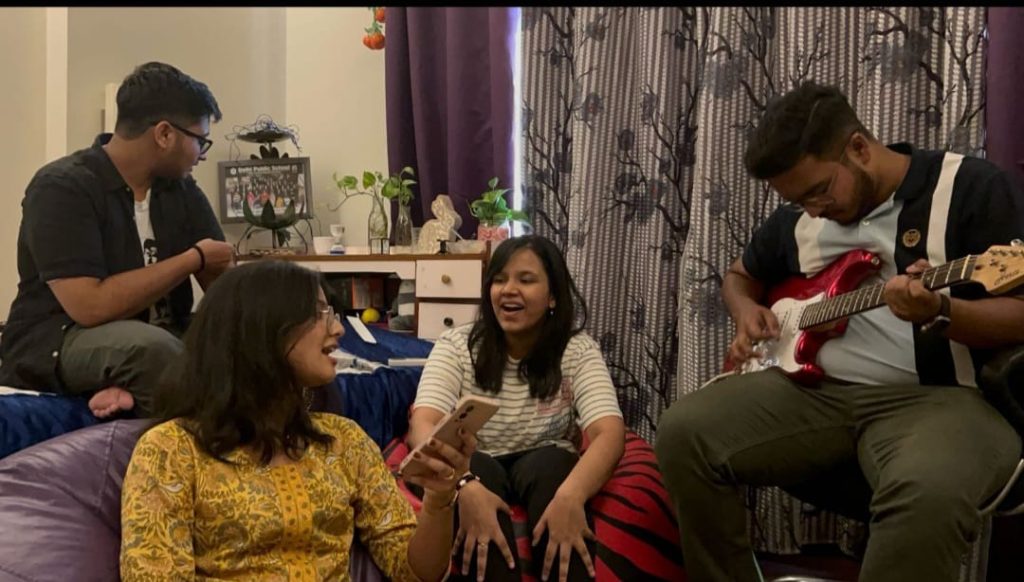
Over the past two years, there’s been a noticeable resurgence of classic and hard rock among the city’s younger generation. From ’70s legends like the Eagles to heavier acts such as Nirvana, Alice in Chains, and Soundgarden, rock music is steadily reclaiming space on playlists echoing the cultural wave of the ’90s and early 2000s Have you noticed it too? More and more people are walking around in T-shirts emblazoned with iconic rock bands and album art. Take a stroll through Lucknow, and you’re almost guaranteed to spot a handful. Guitar teachers are fielding requests for riffs written decades ago, and songs once considered “old school” are finding new life. So what’s driving this revival? Part of the answer lies in the craftsmanship behind the music. At first listen, rock might seem like a barrage of distorted guitars and gritty vocals. But beneath that surface is a deeply intricate process of songwriting that demands precision, emotional depth, and artistic intuition comparable to that of a seasoned painter. From dialing in the perfect tone to layering vocals and fine-tuning every element of the mix, the great rock tracks are carefully constructed pieces of art. They carry a weight of emotion that feels raw yet intentional. It’s this emotional honesty that continues to resonate. Rock has always been unafraid to explore themes like loss, alienation, and mental health, subjects that remain as relevant today as ever. For many listeners, that connection is deeply personal.“The music always felt like proof that someone out there understood what I was going through,” says Kabir Srivastava, a local guitarist and long-time rock enthusiast rediscovering the genre. And then, there’s the simplest explanation of all. At its core, rock music is just people in a room, translating their feelings into sound, loud, imperfect, and real. In an era increasingly shaped by polished, algorithm-driven content, that kind of authenticity stands out. Maybe that’s why this isn’t just nostalgia. It feels more like a return to something raw, human, and timeless.  So play on guys!
Read more

Investing in Adolescence: UP’s Navya Scheme Builds Foundation for the Future

The Navya Scheme under the Integrated Child Development Services (ICDS) represents a focused effort to empower adolescent girls by providing them with education, awareness, and essential life skills. Under Chief Minister Yogi Adityanath’s able guidance, UP is now recognizing that adolescence is a critical stage of development, and  the initiative aims to equip young girls with the knowledge and confidence they need to make informed choices about their health, nutrition, and future. Implemented through the vast grassroots network of the Integrated Child Development Services,(ICDS) the Navya Scheme primarily targets girls in the age group of 11 to 14 years. At this stage, many girls face challenges related to nutrition, health awareness, and access to information. The programme works to bridge these gaps by using Anganwadi centres as platforms for outreach, learning, and engagement. One of the central objectives of the scheme is to promote health and nutritional awareness. Through interactive sessions, girls are educated about balanced diets, personal hygiene, menstrual health, and the importance of regular health check-ups. These discussions are designed to break long-standing taboos and encourage open conversations around issues that are often neglected. The scheme also focuses on life skills and personal development. Adolescent girls are encouraged to build self-confidence, communication skills, and decision-making abilities. Workshops and group activities help them understand their rights, the value of education, and the importance of delaying early marriage. Another important aspect of the Navya Scheme is community engagement. Parents, teachers, and local stakeholders are often involved in awareness drives so that the environment around the girls becomes more supportive of their growth and aspirations. By strengthening this support system, the programme aims to create lasting change beyond the classroom or Anganwadi centre. Overall, the Navya Scheme reflects a broader commitment within the ICDS framework to nurture healthier, more confident young girls. By investing in adolescent development today, the initiative hopes to build a stronger, more informed generation of women for the future. 
Read more

Recent News

Registered Office

2nd floor, Rohit House, Shah Najaf Road,
Lucknow-226001

Email Us: enquiries@indietimescoverage.news

Contact: +91 522 4343939  |   +91 94735 01234

RNI No: UPENG/25/A3578

Copyright @ 2026 indie times coverage. All Rights Reserved.

Powered by Bito Technologies