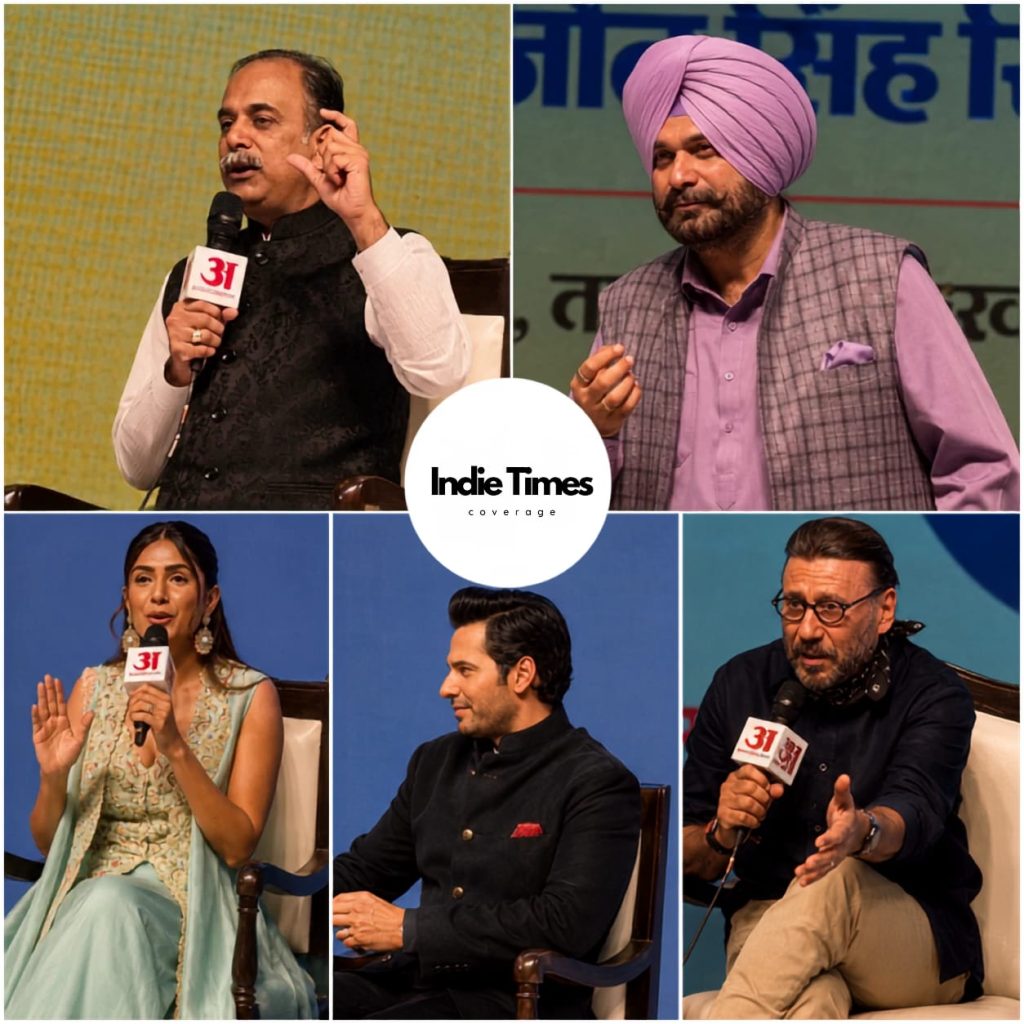
Having written lyrics and composed music for legends like Asha Bhosle and Adnan Sami, acclaimed lyricist Mahimma Bhardwaj shares her insights with Editor, Indie Times. In an honest conversation, she explains why today’s music must get to the point faster to capture the attention of Gen Z listeners, without losing its soul or poetic depth. 1. Many people believe that today music has become more trend -driven than timeless. In your view what has changed over the years? Music, like everything else, evolves with time, so it’s only natural for songs to change as well. In the past, songs were much longer, often featuring three or four antras and taking their time to tell a story. Today, however, audience preferences have shifted. Most people have busy lifestyles and shorter attention spans, so they tend to prefer music that is quick, engaging, and easy to consume in just a few minutes. As a result, the music industry has adapted to meet these changing tastes, creating shorter songs that appeal to modern listeners. However, at the same time, I also feel that there is a growing appreciation for classical and traditional music. We can see this in many reality shows, where a large number of young singers are choosing semi-classical and traditional styles, proving that these genres continue to resonate with the younger generation. While music is evolving, its roots are still valued and celebrated. But some songs will always be timeless and such songs are being created even today. 2. What can artists do to bring back the emotional depth and lasting appeal that older songs were know for? Every artist must have deep sincerity towards their art. Jitni imandari se woh apni kala se jude rahenge, utni hi lasting appeal unki kala mein nazar aayegi. Emotional depth varies from person to person, whether they are poets, singers, or lyricists, but woh jitni shiddat se apni nazmein aur geet rachate hain, uska impact zaroor padta hai. It’s not that songs today lack emotional depth, but we also need to understand what today’s audience is looking for. If we start composing and writing songs exactly the way they were created in the bygone days, people may not connect with them. Aaj ke zamane mein woh approach waise nahi chalegi. 3.Gen Z consumes music through reels, short videos, and streaming platforms. How can lyricists and composers create songs that resonate with young audiences without compromising on quality or poetic expression? Yes, Gen Z consumes content very differently, and isiliye aaj ke singers, composers, and lyricists have to be extremely sharp in their approach. Today, we don’t have the luxury of taking our time to build up to the main message in a song. If we want to connect with young audiences, the emotion or idea we want to express has to come across within the first few seconds. Only then does it truly register with them. At the same time, creating meaningful music has become more challenging because everyone is trying to do everything. A singer is also writing, composing, and often handling the lyrics. While versatility is valuable, it can sometimes come at the cost of excellence. I believe artists create their best work when they focus on and refine their core strengths instead of trying to take on every role. 4. Indian Music has a rich legacy of poetry, storytelling, and classical influence. How can we reconnect young listeners with these traditions while making them feel relevant and contemporary? It is the responsibility of our generation to keep alive the legacy of stalwarts like Gulzar, Kaifi Azmi, Sahir Ludhianvi, Shailendra, and many others. We need to create more engaging content around their work on social media platforms such as Facebook and Instagram so it reaches younger audiences. Only then will they discover the richness of the music and poetry of an earlier era and appreciate the timeless brilliance of these masters. Today, many in Gen Z are unfamiliar with the legends who shaped Indian music and cinema. If we truly want to preserve their legacy, we must introduce the younger generation to their work and help them understand the values they stood for. Most importantly, they should know that there are no shortcuts to lasting success, hard work, dedication, and continuous learning are the only paths to reaching the stars. 5. Whom does the primary responsibility for reviving meaningful music lies primarily with lyricists and composers, or do audiences and digital platforms, schools, and families also have an important role to play? The responsibility doesn’t rest with one individual alone—it is shared by all of us. Schools, teachers, families, and communities all have an important role to play. At the same time, lyricists, directors, singers, composers, and musicians must create content with utmost care, sensitivity, and a strong sense of moral responsibility. The stories and songs we share through cinema and OTT platforms should reflect the highest creative and ethical standards. As a nation, we must collectively ensure that the content reaching our younger generation is thoughtful and enriching, just as we would for our own children. Our political leaders, too, have a role in encouraging and supporting the creation and dissemination of meaningful, high-quality content that positively shapes young minds. 6. If you had the opportunity to give one message to aspiring lyricists, musicians, and young listeners about preserving the soul of Indian music while embracing modern trends, what would it be? If we want to keep our traditional music and art forms alive, I feel uski rooh ko zinda rakhna padega. We must ensure that if we want our children to become artists, they develop the habit of reading the works of the stalwarts who came before them. Padhne se zehan viksit hota hai, and it helps the younger generation aspiring to become artists, writers, directors, and lyricists to think more deeply, build a stronger vocabulary, and process ideas better. Those who want to become composers should also learn classical music, because it is the foundation of creating
Read more