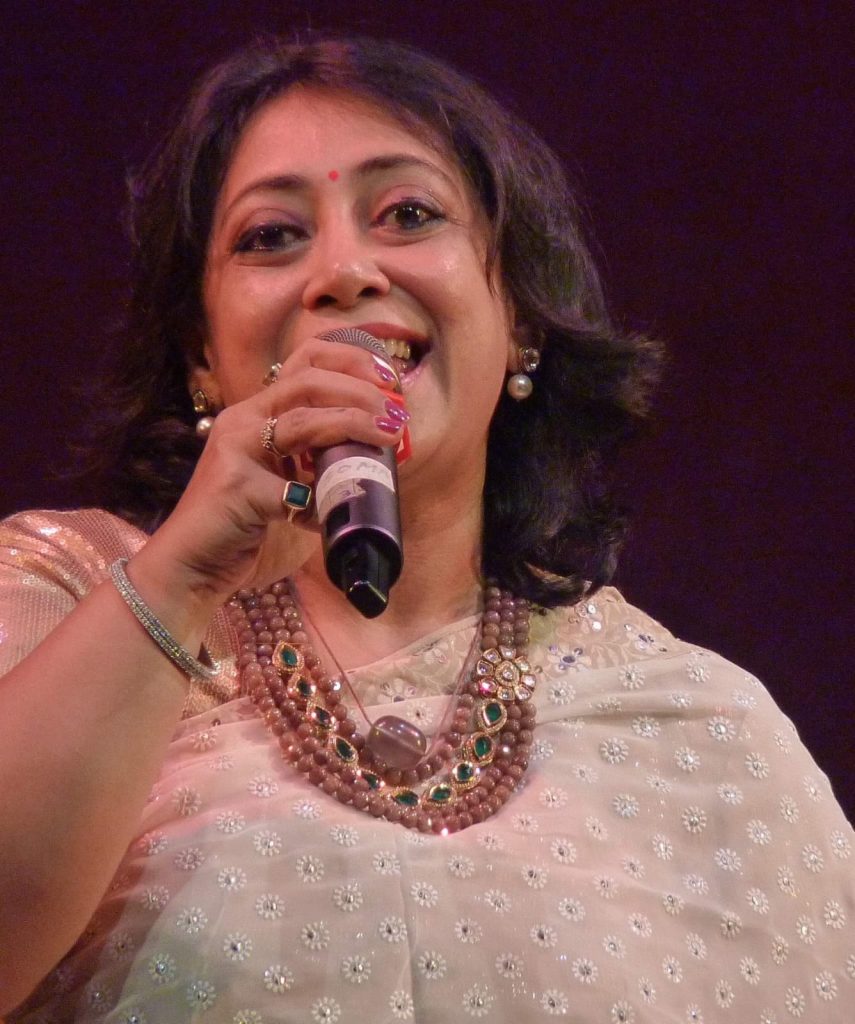
For Indian Idol winner and well known Bollywood singer Shoma Banerjee, music is not just performance but a responsibility toward preserving India’s rich musical heritage. Through her tribute concerts, retro concepts, and reinterpretation of timeless classics, she continues to keep traditional and melody-driven music alive for newer generations. In conversation with Editor Indie Times she speaks of her passion to create a platform for musicians to thrive.
Q.Your music beautifully revives the timeless melodies of legendary singers and composers. What inspired you to take this journey of reconnecting audiences with the golden era of music?
Ans.I started my career singing film songs, but later took a long break to focus on Indian classical music, ghazals, and original compositions. For nearly 20 years, I was deeply involved in creating original music. Growing up in Bhilai, where audiences greatly value authenticity and melody, I was naturally drawn toward meaningful music. As a youngster, I grew up listening to legends like Lata Mangeshkar, Asha Bhosle, Kishore Kumar, and Mukesh. Their songs stayed with me. After coming to Mumbai following Sa Re Ga Ma in 1995, I returned to singing Bollywood music and realized there was a huge audience for retro songs.
Q. You did many live performances and were regularly singing at concerts and Mahotsavas in Lucknow too?
Ans. Alongside live performances, I also sang for films, songs like “Theme Song of Taal,” “Chhalka Chhalka,” tracks from Saathiya, a Marathi song that won me the Best Singer award, and more recently “Abhi Na Jao Chhod Ke” featuring Shabana Azmi in Rocky Aur Rani Kii Prem Kahaani. Many of my songs may not have received massive commercial mileage, but they remain close to my heart. I feel more comfortable with retro music and wanted to create something different by keeping timeless melodies alive. That led me to launch concepts like Singing Divas of Bollywood from Kanan Devi to Lata Mangeshkar, along with tributes to Geeta Dutt and K. L. Saigal. What gives me the greatest joy is seeing the happiness on the faces of senior listeners and, at the same time, the curiosity Gen Z shows toward old music. They connect deeply with these songs because the melody is timeless, no generation can ignore it.
Q. In today’s fast-changing music industry, how important do you think it is to preserve and reinterpret the works of yesteryear stalwarts for younger audiences?
Ans. We must preserve our old music because the richness and depth it carries are rare to find today. The beautiful orchestration, the use of original live instruments, and the way songs were composed to suit every emotion and situation offer timeless lessons in music-making. There is a reason we call it the golden era of music, it gave us extraordinary composers, lyricists, and singers whose work continues to inspire generations. Old music is not just entertainment; it is a valuable archive of creativity and emotion.For future generations, these songs will remain a reference point for understanding how music can express feelings with authenticity and grace. Preserving old music means preserving our cultural and artistic heritage.
Q. While paying tribute to iconic music legends, how do you balance originality with nostalgia in your performances and creations?
Ans. At the same time, when we revisit old songs with fresh orchestration, they become more relatable to the younger generation. Just as fashion changes with time, sounds, voices, and musical textures also evolve. That is why every era creates its own music and style. A lot of experimentation and innovation is happening in today’s music scene, and that evolution is important. However, while performing tributes to legendary songs, I usually avoid changing the original composition or style too much, because my intention is to showcase the beauty of the original creation. But when I interpret a song in my own way, I present it as an unplugged or gayaki-style rendition. Even then, I try to retain the soul and essence of the original while adding my personal touch and emotional expression.
Q. You have also been encouraging and mentoring young artists. What kind of talent or passion do you look for in the new generation of singers and musicians?
Because of music apps, singing film songs has become much easier today. Many people sing for personal satisfaction and already have their own small audiences through these platforms. It has created a completely different musical world. The real concern, however, is the younger generation. Since music no longer guarantees financial stability, many talented youngsters hesitate to pursue it professionally. Fine music is gradually being ignored, and only a handful are willing to dedicate themselves fully to the art. In today’s fast-paced world, people often forget that it takes years of discipline and hard work to sing even one line perfectly. Young artists are frequently judged by quick success rather than true talent.
Q. What is your larger vision for creating a platform where the legacy of legendary music and the creativity of emerging artists can grow together?
Ans. The younger generation is eager for good music, but they are not getting the variety we experienced in our time. They connect strongly with anything that is presented in a fresh and contemporary way. Songs like “Rangi Saari” became popular again because of their modern presentation, and even traditional compositions are finding new audiences among youngsters. To connect with today’s listeners, experimentation is essential. However, because music is now so easily available and constantly overexposed, songs tend to become stale very quickly. My vision is to create a platform where along with music,the young singers can earn money. Without financial stability, it is difficult to sustain long-term interest in music. Reality shows do provide instant fame and visibility, but many young artists are pushed into struggles they are unprepared for. They often lack proper training, grooming, and guidance to handle the industry. Sadly, I see many such stories around me today.