From kebab stalls in Purana Lucknow to fast-food chains, LPG shortages are shrinking menus, straining livelihoods, and quietly altering the city’s everyday rhythm
At first, it felt like a small inconvenience, a handwritten sign outside a favourite restaurant, a shorter menu, a delayed opening. The kind of thing you shrug off and blame on “supply issues.” But in the weeks since the strikes on Iran, those small disruptions have quietly stitched themselves into the fabric of daily life, turning into something far more personal.
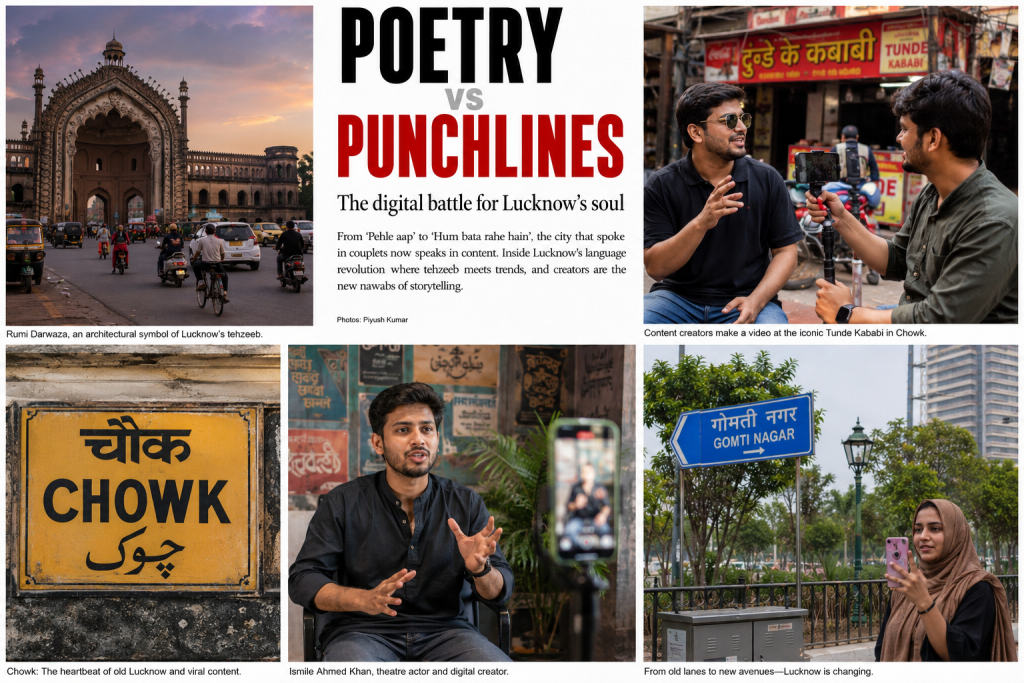
In the narrow gullies of Purana Lucknow, where food is as much heritage as it is livelihood, the change is immediate and visible. During Eid, a time when the area would normally hum with the aroma of kebabs and the press of eager crowds, there is a noticeable restraint. At iconic eateries, not every dish makes it to the table. Some recipes, slow-cooked, fuel-intensive, are quietly set aside.
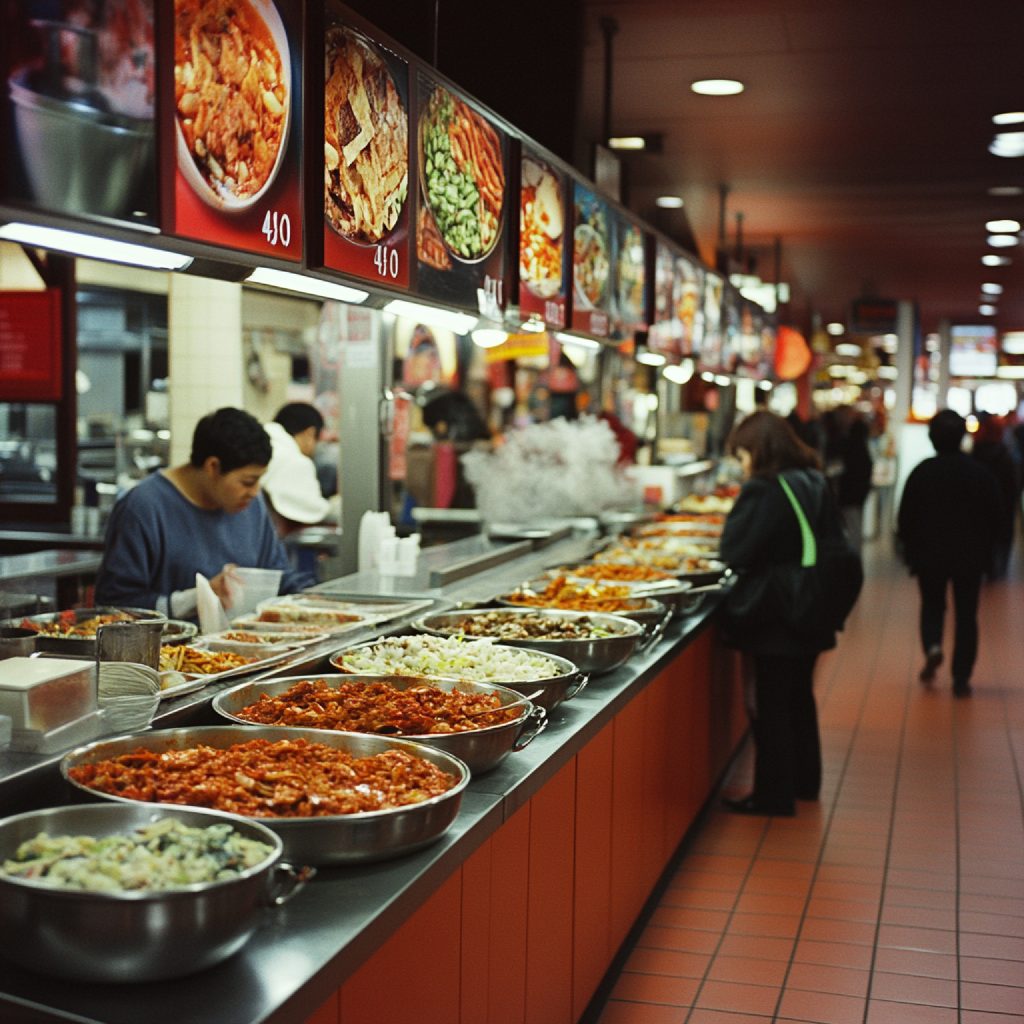
The impact doesn’t stop at traditional kitchens. Inside air-conditioned malls, even global fast-food outlets are adjusting in subtle ways. Menus are trimmed. Fryers sit idle longer than usual. What remains are items that demand less fuel, less time, less risk.
But the deepest strain is felt by those for whom food is not just culture, but survival. The chaat vendor at the corner, the tea seller with a loyal morning crowd, their margins were always thin. Now, with rising costs and uncertain supply, even a single day’s disruption can mean the difference between getting by and falling behind.
And so, the crisis seeps into conversation. It shows up in news alerts, in WhatsApp forwards, in passing remarks exchanged with an auto rickshaw driver. It lingers in the question of whether gas will last the week, whether prices will rise again, whether tomorrow’s routine will look anything like today’s.
What makes this moment striking is not just the shortage itself, but how quietly and completely it reshapes everyday life. In a city like Lucknow, where food is memory, identity, and pride, the shrinking of menus feels like something more than an economic adjustment, it feels like a pause in the city’s heartbeat.
And if the disruption continues, it may not just be the food that changes, but the rhythm of life around it.