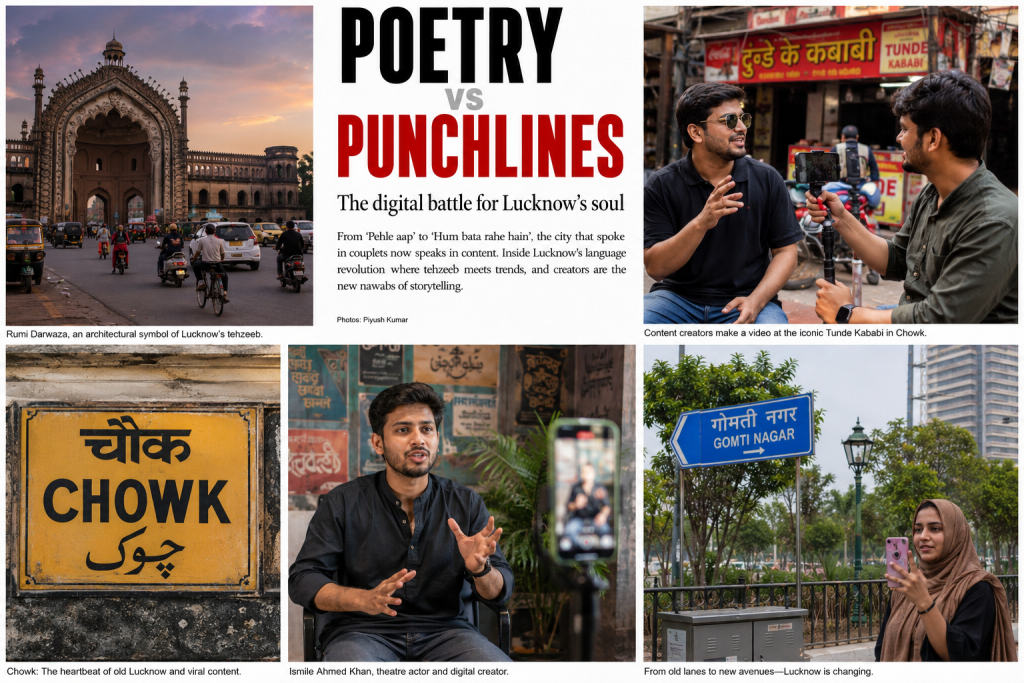
Lucknow was once a city where every sentence carried grace, where wit was refined, and where conversations felt like poetry in motion. The guardians of culture were poets, writers, and raconteurs gathered in mushairas and mehfils. Today, the city’s loudest voices aren’t reciting verses under chandeliers, they’re creating content on smartphones.
In 2026, the fight for Lucknow’s cultural soul has moved from drawing rooms to digital feeds. Instagram Reels, YouTube Shorts, and viral comedy sketches have become the new battlegrounds where language, identity, and tradition are being reimagined for a generation that scrolls faster than it reads. The storytellers have changed. The stage has changed. And perhaps, so has Lucknow itself.
From “Pehle Aap” to “Hum Bata Rahe Hain”
The classic Lucknowi phrase “Pehle Aap” once symbolized the city’s elegance. Today, creators have replaced it with a more direct, earthy style. Hum has become the new badge of authenticity. Words like Bawa, Chacha, and local slang are generating millions of views because they reflect the language people actually speak in tea stalls, markets, hostels, and neighborhoods.
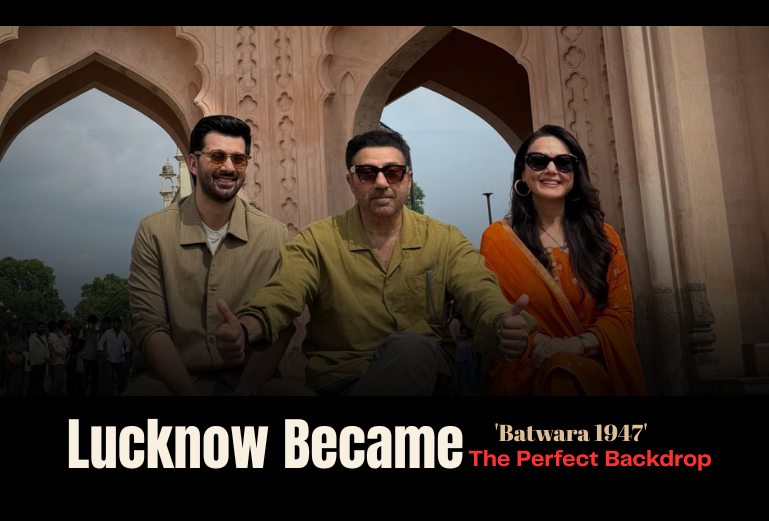
Bollywood’s Lucknow Connection
Ironically, Bollywood has long recognized the charm of Lucknow’s language.One of the most celebrated films shot extensively in Lucknow, the movie Jolly LLB 2 starring Akshay Kumar, captured the city’s everyday humour and street-smart conversations. Similarly, Daawat-e-Ishq showcased the warmth and linguistic sweetness associated with Awadhi culture.Perhaps no dialogue captures Lucknow’s spirit better than the old Nawabi ethos: Janab, Lucknow mein baat bhi tehzeeb se hoti hai.
While not a famous film quote, it reflects the city’s cultural DNA that filmmakers have repeatedly tried to capture.Today’s creators argue that language evolves with its people. A generation raised on social media doesn’t want scripted sophistication. It wants authenticity.
The creators’ message is simple:
Why imitate Delhi or Mumbai when Lucknow itself is a brand?
Their reels feature local accents, neighbourhood references, and cultural quirks that were once considered too regional” for mainstream media. The city’s traditionalists fear that viral content is reducing Lucknow’s rich linguistic heritage to mere comedy.
But supporters see something entirely different. For the first time, local dialects are not being mocked by outsiders, they are being celebrated by insiders. The result is a fascinating cultural transformation: Lucknow is no longer choosing between tehzeeb and trendiness. It is creating a new identityLucknow was once a city where every sentence carried grace, where wit was refined, and where conversations felt like poetry in motion. The guardians of culture were poets, writers, and raconteurs gathered in mushairas and mehfils. Today, the city’s loudest voices aren’t reciting verses under chandeliers, they’re creating content on smartphones.
In 2026, the fight for Lucknow’s cultural soul has moved from drawing rooms to digital feeds. Instagram Reels, YouTube Shorts, and viral comedy sketches have become the new battlegrounds where language, identity, and tradition are being reimagined for a generation that scrolls faster than it reads. The storytellers have changed. The stage has changed. And perhaps, so has Lucknow itself.
From “Pehle Aap” to “Hum Bata Rahe Hain”
The classic Lucknowi phrase “Pehle Aap” once symbolized the city’s elegance. Today, creators have replaced it with a more direct, earthy style. Hum has become the new badge of authenticity. Words like Bawa, Chacha, and local slang are generating millions of views because they reflect the language people actually speak in tea stalls, markets, hostels, and neighborhoods.
Bollywood’s Lucknow Connection
Ironically, Bollywood has long recognized the charm of Lucknow’s language.One of the most celebrated films shot extensively in Lucknow, the movie Jolly LLB 2 starring Akshay Kumar, captured the city’s everyday humour and street-smart conversations. Similarly, Daawat-e-Ishq showcased the warmth and linguistic sweetness associated with Awadhi culture.Perhaps no dialogue captures Lucknow’s spirit better than the old Nawabi ethos: Janab, Lucknow mein baat bhi tehzeeb se hoti hai.
While not a famous film quote, it reflects the city’s cultural DNA that filmmakers have repeatedly tried to capture.Today’s creators argue that language evolves with its people. A generation raised on social media doesn’t want scripted sophistication. It wants authenticity.
The creators’ message is simple:
Why imitate Delhi or Mumbai when Lucknow itself is a brand?
Their reels feature local accents, neighbourhood references, and cultural quirks that were once considered too regional” for mainstream media. The city’s traditionalists fear that viral content is reducing Lucknow’s rich linguistic heritage to mere comedy.
But supporters see something entirely different. For the first time, local dialects are not being mocked by outsiders, they are being celebrated by insiders. The result is a fascinating cultural transformation: Lucknow is no longer choosing between tehzeeb and trendiness. It is creating a new identity.